Central Ohio winters are hard on floors in ways summer never is - road salt, snowmelt tracked in on boots, and bone-dry indoor heat all show up as damage if you're not ready for them. Here's how to protect whatever's underfoot from November through March.
Hardwood and engineered hardwood
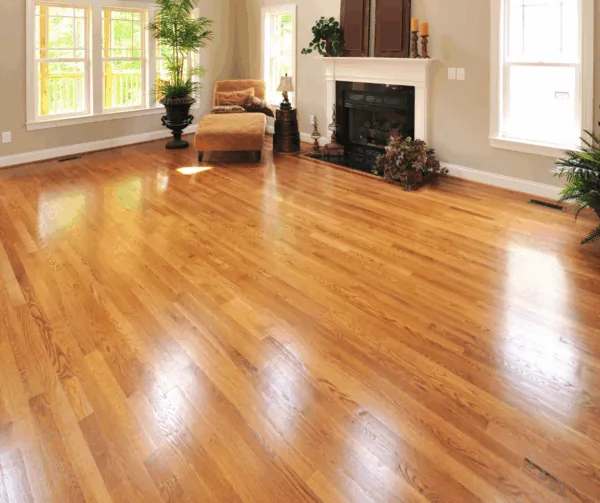
Salt and calcium chloride from driveways and sidewalks are abrasive and can dull a finish fast if it's ground in underfoot. A boot tray by the door and a quick damp-mop of entryways go a long way. Indoor heating also drops humidity, which can shrink solid hardwood slightly - a whole-home humidifier keeps gaps from opening up between boards.
Luxury vinyl plank
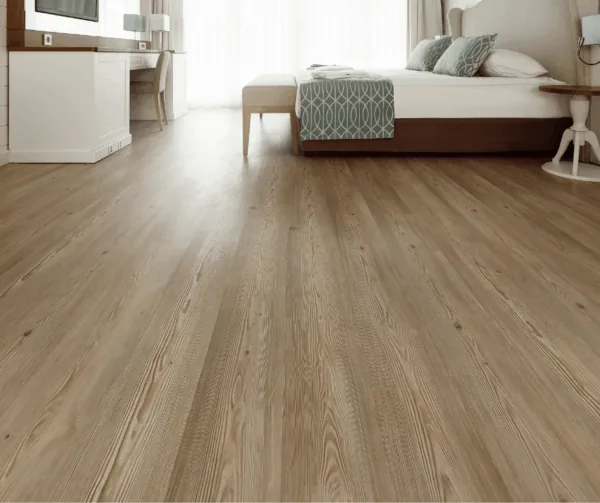
LVP shrugs off salt and moisture better than almost anything else we install, which is exactly why it's a popular choice for mudrooms and entryways in Central Ohio homes. A simple mat at each entrance still cuts down on grit that can scratch the wear layer over time.
Laminate
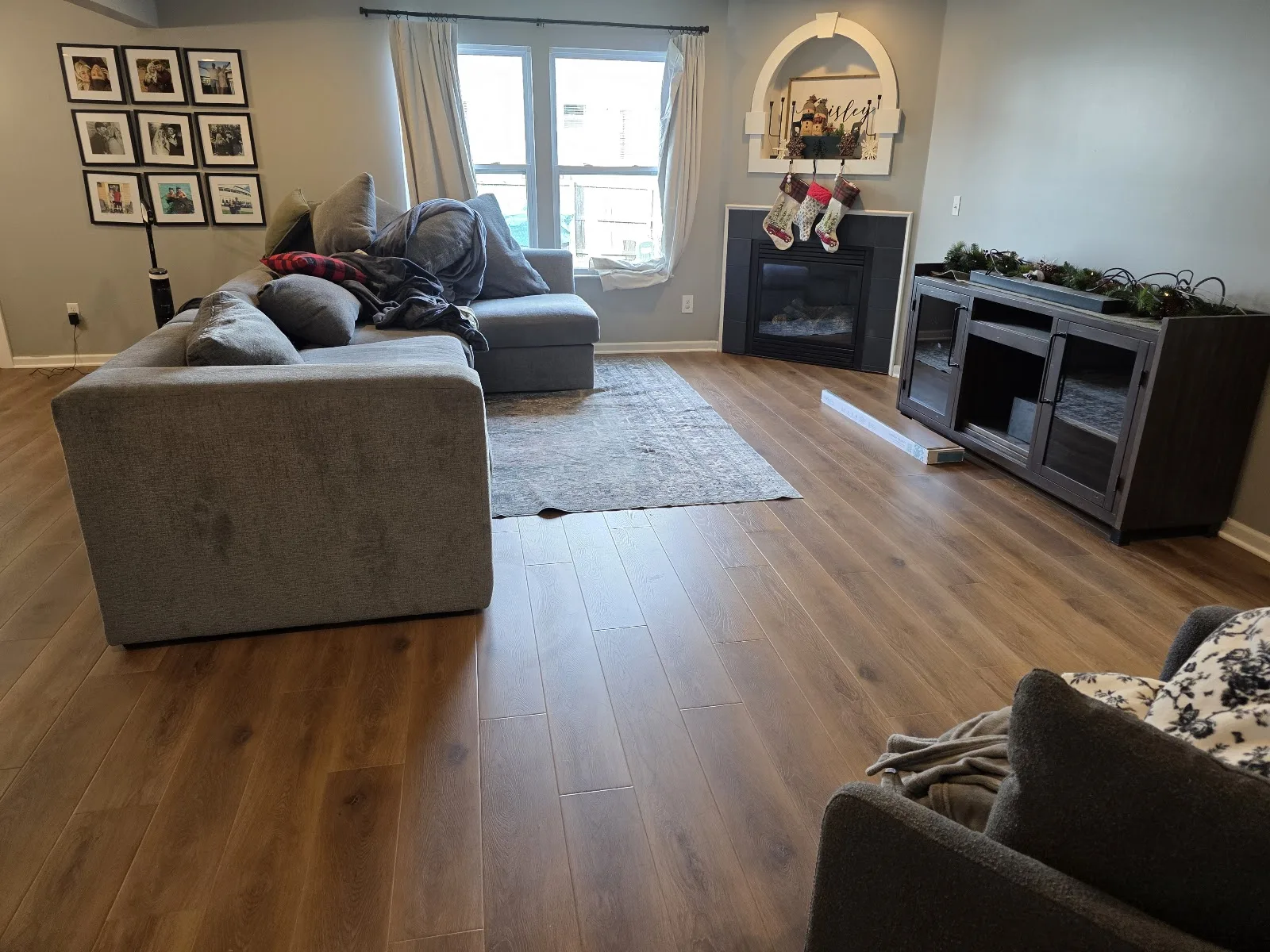
Laminate handles dry winter air well, but standing snowmelt is its weak point since the core is wood-based. Wipe up puddles by entryways promptly, and consider LVP instead of laminate for any room that takes direct winter traffic from outside.
Carpet
Rock salt tracked onto carpet can leave a white residue if it isn't vacuumed up quickly - a stiff entry mat and a quick vacuum pass through winter keep it from working into the fibers.
Considering a more winter-tolerant floor for your entryway?
Book a free in-home estimateDamage Already Done?
If last winter left marks that won't come out, our floor repair team can often fix a section without replacing the whole room.